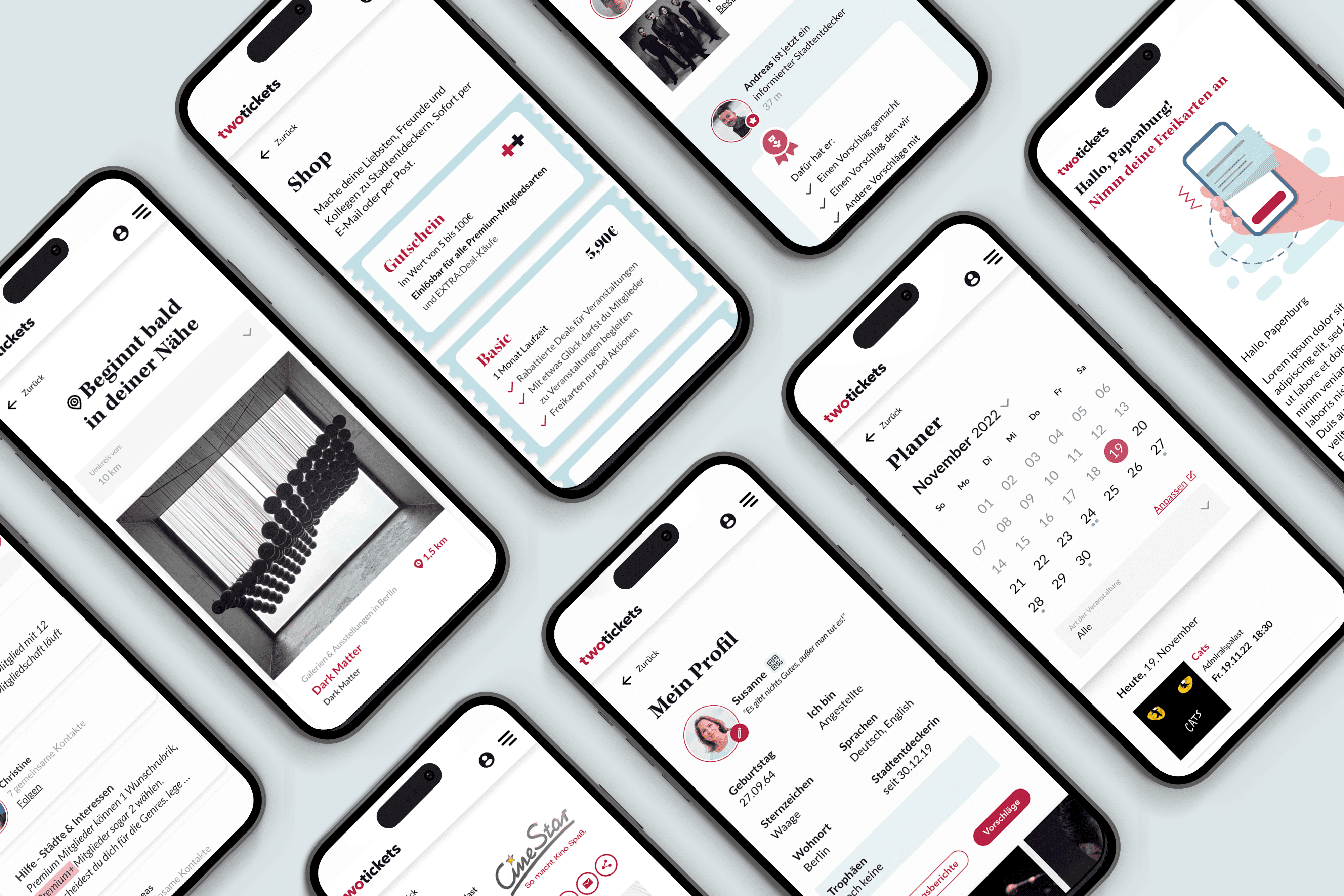
2022-2024

twotickets
How End-to-End Product Design scaled an EventTech Platform to 30,000+ Users

twotickets
How End-to-End Product Design scaled an EventTech Platform to 30,000+ Users

About the product

twotickets is a subscription-based Event platform operating Germany-wide.

My role

UI/UX Designer, UX Reasearcher, Branding.

Main project goal

  • Introduce a human-centered, research-driven UX framework.

  • Update UI & make it appeal modern.

Background

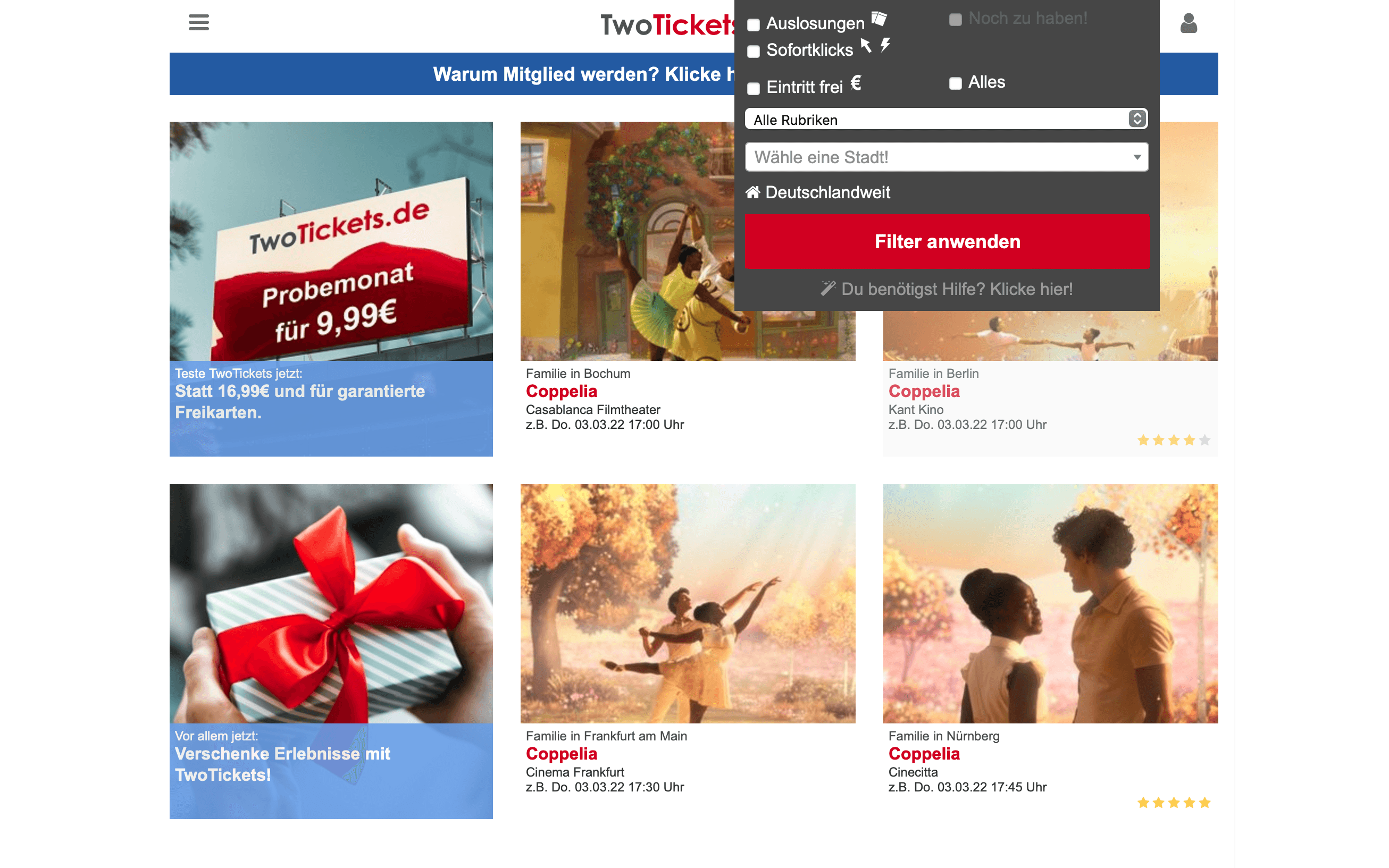
In 2022, the company noticed that its target audience was aging. Although the platform's functionality was well-established and familiar to existing customers, it struggled to attract new ones. Outdated patterns, fragmented workflows, and misalignment with user expectations were among other core issues. The company's objective was to redesign the platform in line with the preferences of the target customers and expand its audience through modern design.
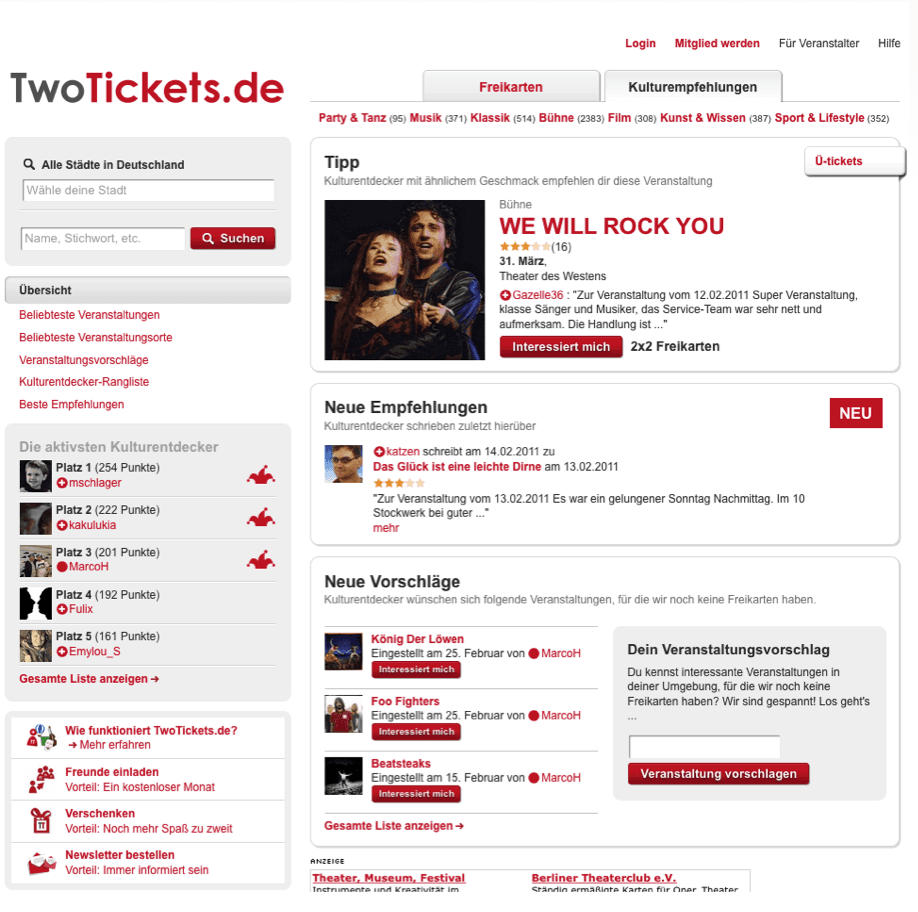
Before. Before launching the re-design of the product, twotickets felt outdated and cluttered.

User Problem

The existing platform suffered from three core issues:

  1. Misalignment with user needs. Features were built gradually without structured research, resulting in low adoption of key flows.

  2. Complex and fragile workflows. Essential tasks (event booking, gifting tickets, returning tickets, publishing events) were cognitively heavy and error-prone.

  3. Lack of scalability. No design system, inconsistent UI patterns, and diverging behavior across iOS, Android, and web.

The existing platform suffered from three core issues:

  1. Misalignment with user needs. Features were built gradually without structured research, resulting in low adoption of key flows.

  2. Complex and fragile workflows. Essential tasks (event booking, gifting tickets, returning tickets, publishing events) were cognitively heavy and error-prone.

  3. Lack of scalability. No design system, inconsistent UI patterns, and diverging behavior across iOS, Android, and web.

The existing platform suffered from three core issues:

  1. Misalignment with user needs. Features were built gradually without structured research, resulting in low adoption of key flows.

  2. Complex and fragile workflows. Essential tasks (event booking, gifting tickets, returning tickets, publishing events) were cognitively heavy and error-prone.

  3. Lack of scalability. No design system, inconsistent UI patterns, and diverging behavior across iOS, Android, and web.

The existing platform suffered from three core issues:

  1. Misalignment with user needs. Features were built gradually without structured research, resulting in low adoption of key flows.

  2. Complex and fragile workflows. Essential tasks (event booking, gifting tickets, returning tickets, publishing events) were cognitively heavy and error-prone.

  3. Lack of scalability. No design system, inconsistent UI patterns, and diverging behavior across iOS, Android, and web.

The Process

I tried my best to introduce a human-centered, research-driven UX framework to a company that previously relied mostly on intuition and legacy decisions.
Discovery
Qualitative Analysis

First, I conducted 1:1 semi-structured user interviews with active and churned subscribers.

I found that:
  • Most Users valued trust, fairness, and transparency more than feature richness.

  • Event organizers struggled with publishing events quickly and confidently.

  • Feature discovery was accidental, not intentional.

Qualitative Analysis

First, I conducted 1:1 semi-structured user interviews with active and churned subscribers.

I found that:

  • Most Users valued trust, fairness, and transparency more than feature richness.

  • Event organizers struggled with publishing events quickly and confidently.

  • Feature discovery was accidental, not intentional.

Qualitative Analysis

First, I conducted 1:1 semi-structured user interviews with active and churned subscribers.

I found that:
  • Most Users valued trust, fairness, and transparency more than feature richness.

  • Event organizers struggled with publishing events quickly and confidently.

  • Feature discovery was accidental, not intentional.

Qualitative Analysis

First, I conducted 1:1 semi-structured user interviews with active and churned subscribers.

I found that:
  • Most Users valued trust, fairness, and transparency more than feature richness.

  • Event organizers struggled with publishing events quickly and confidently.

  • Feature discovery was accidental, not intentional.

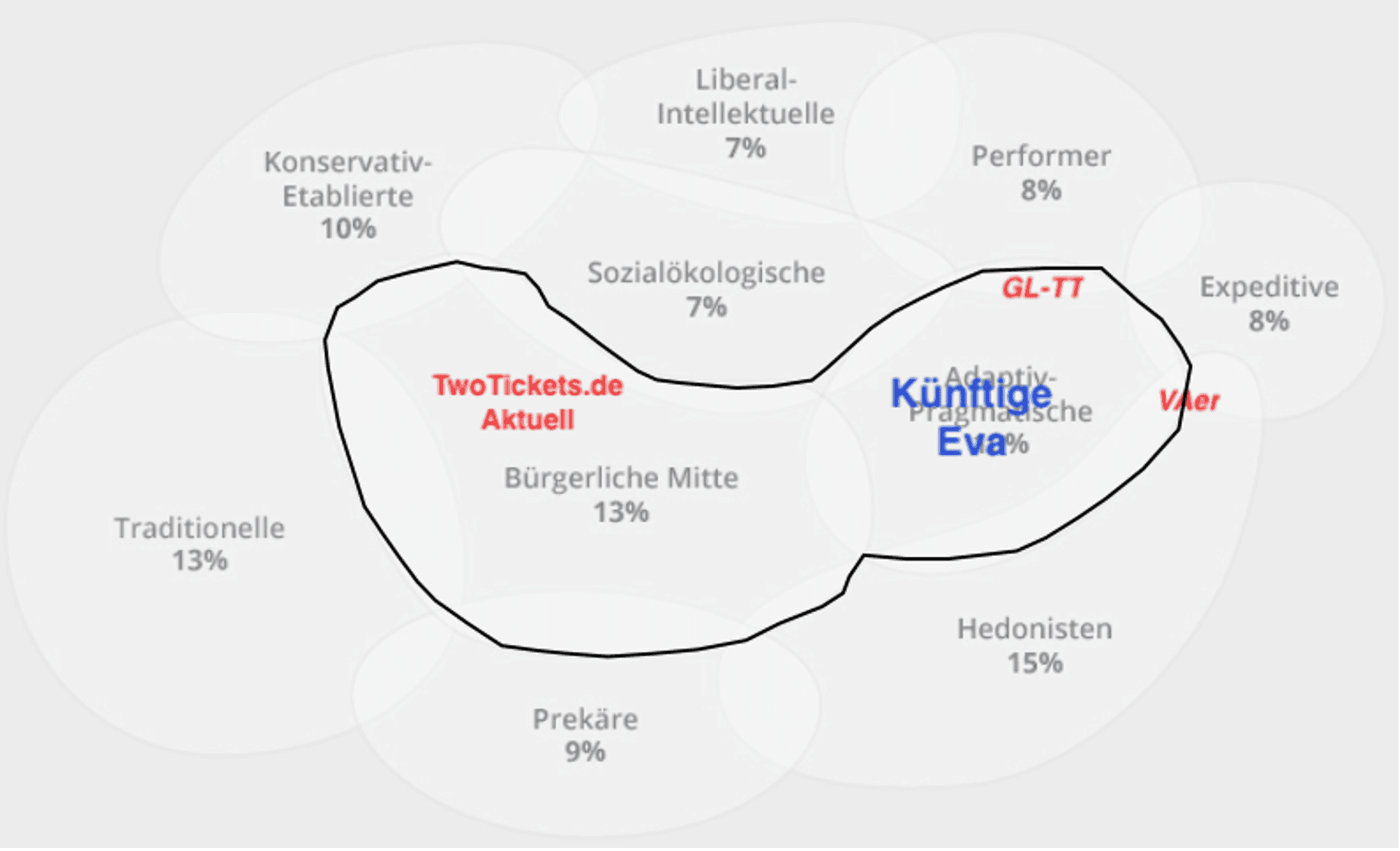
After conducting interviews, me and marketing team also defined the Sinus Milieus of the Taget Group in order to understand customer needs on even deeper social level.

Quantitative Analysis
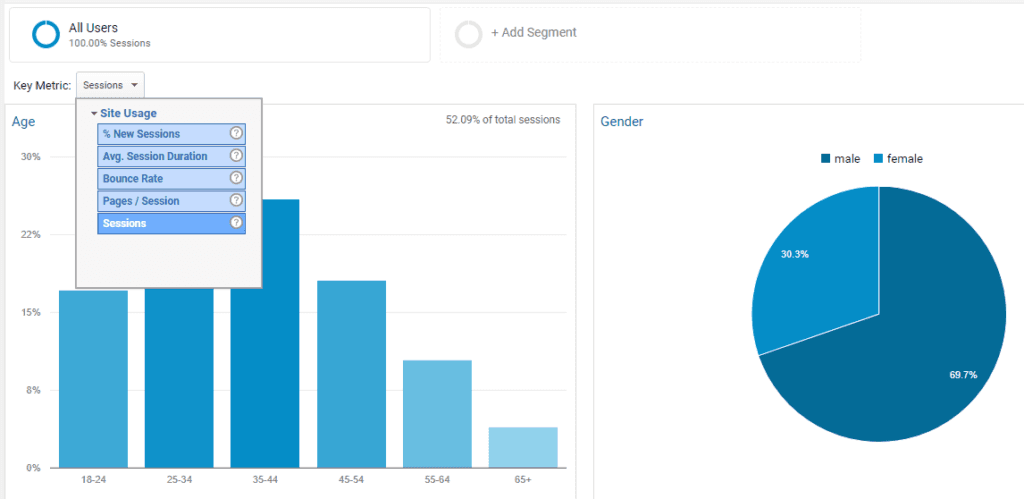
I decided to gather some numerical data with the help of Google Analytics. I chose this method to understand patterns, behaviors, and trends within the large existing user base of twotickets. This helped me identify users' demographics, goals, challenges, and motivations, which led to persona creation.

I found that:
  • Most users tend not to use functions such as 'Begleiten' (Accompany), 'Tauschen' (Ticket exchange), and 'Planer' (Event planner) due to their complex navigation.

  • The majority of users prefer using the mobile browser version over downloading the app.

I decided to gather some numerical data with the help of Google Analytics. I chose this method to understand patterns, behaviors, and trends within the large existing user base of twotickets. This helped me identify users' demographics, goals, challenges, and motivations, which led to persona creation.

I found that:
  • Most users tend not to use functions such as 'Begleiten' (Accompany), 'Tauschen' (Ticket exchange), and 'Planer' (Event planner) due to their complex navigation.

  • The majority of users prefer using the mobile browser version over downloading the app.

I decided to gather some numerical data with the help of Google Analytics. I chose this method to understand patterns, behaviors, and trends within the large existing user base of twotickets. This helped me identify users' demographics, goals, challenges, and motivations, which led to persona creation.

I found that:
  • Most users tend not to use functions such as 'Begleiten' (Accompany), 'Tauschen' (Ticket exchange), and 'Planer' (Event planner) due to their complex navigation.

  • The majority of users prefer using the mobile browser version over downloading the app.

I decided to gather some numerical data with the help of Google Analytics. I chose this method to understand patterns, behaviors, and trends within the large existing user base of twotickets. This helped me identify users' demographics, goals, challenges, and motivations, which led to persona creation.

I found that:
  • Most users tend not to use functions such as 'Begleiten' (Accompany), 'Tauschen' (Ticket exchange), and 'Planer' (Event planner) due to their complex navigation.

  • The majority of users prefer using the mobile browser version over downloading the app.

Some insights on users' age, gender, demographics and goals,

Persona Creation and JTBD

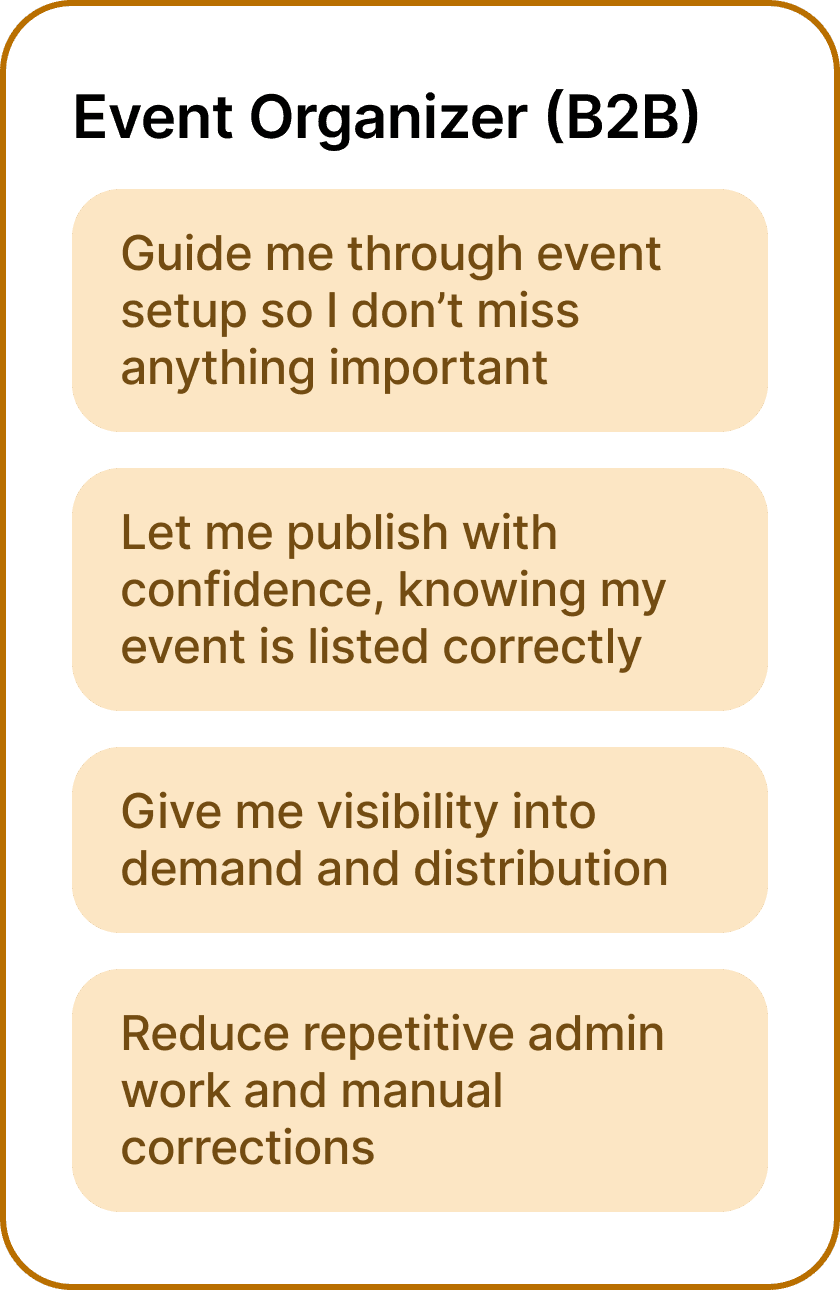
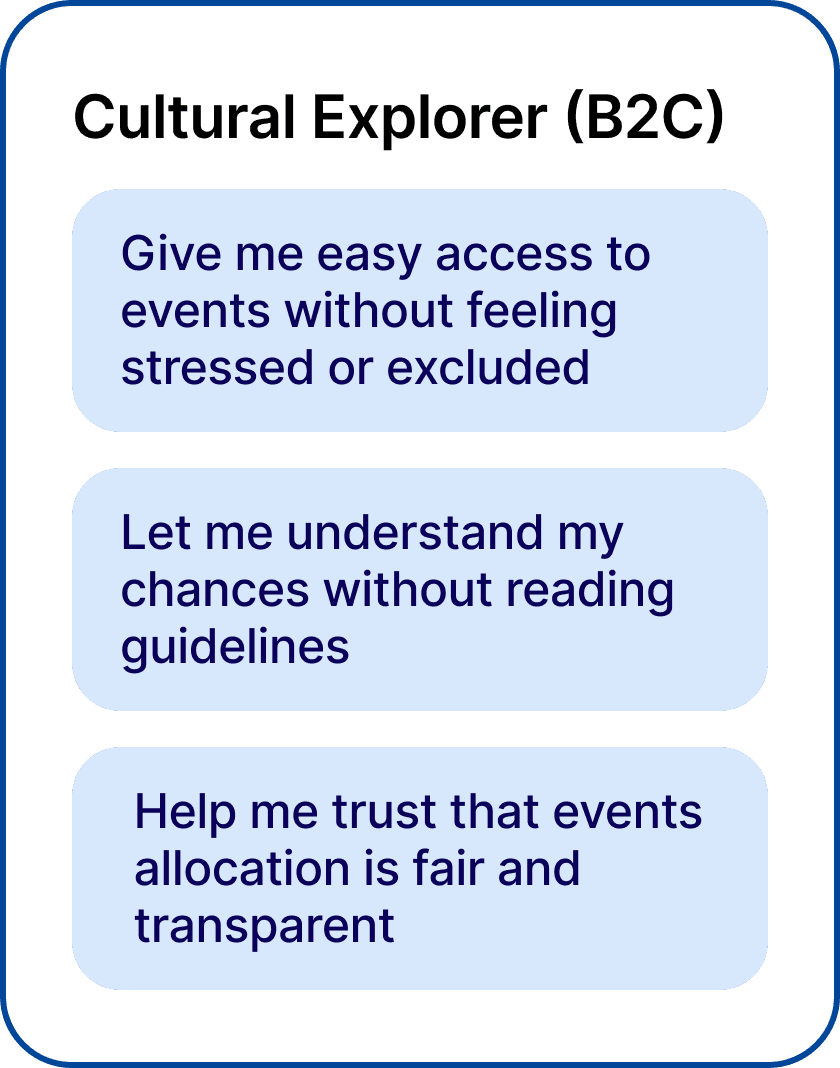
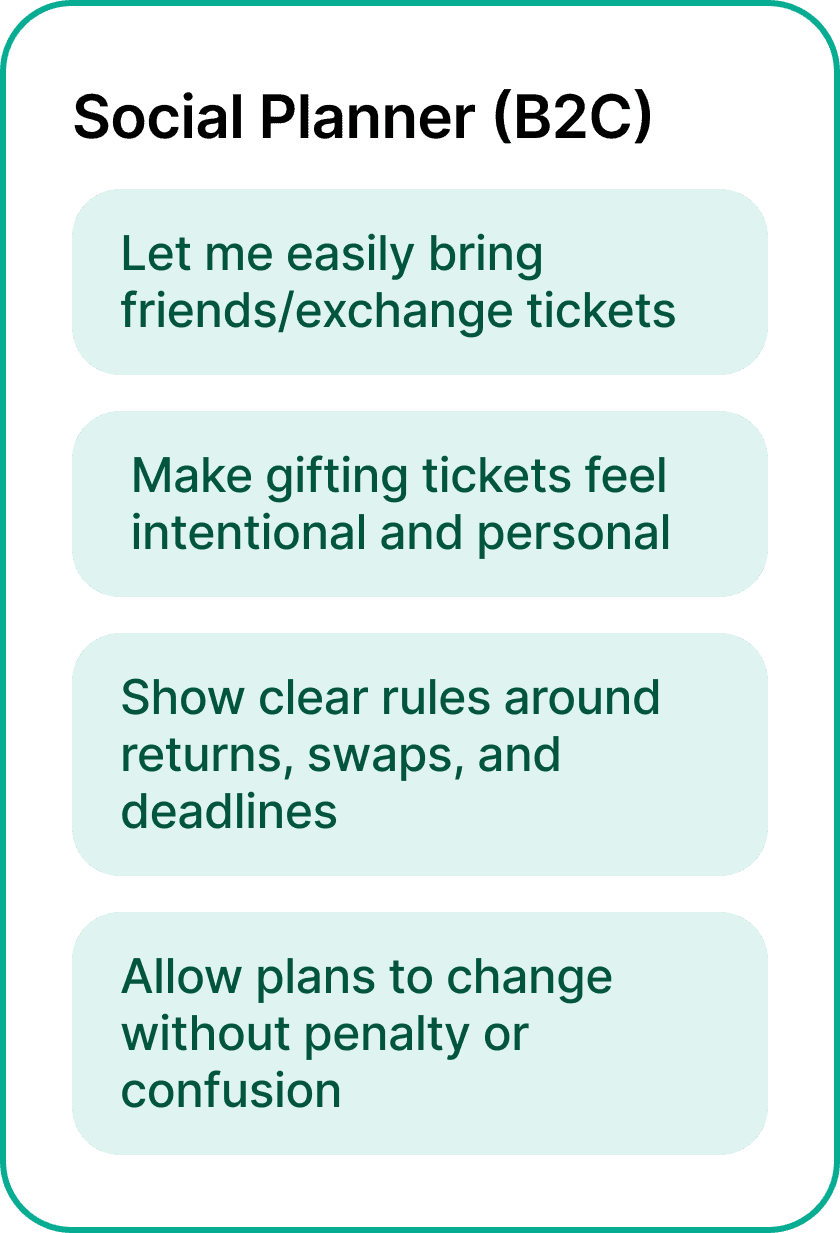
Based on the gathered qualitative and quantitative data, I defined personas and their main Jobs-to-be-done:
Defining fundamentals

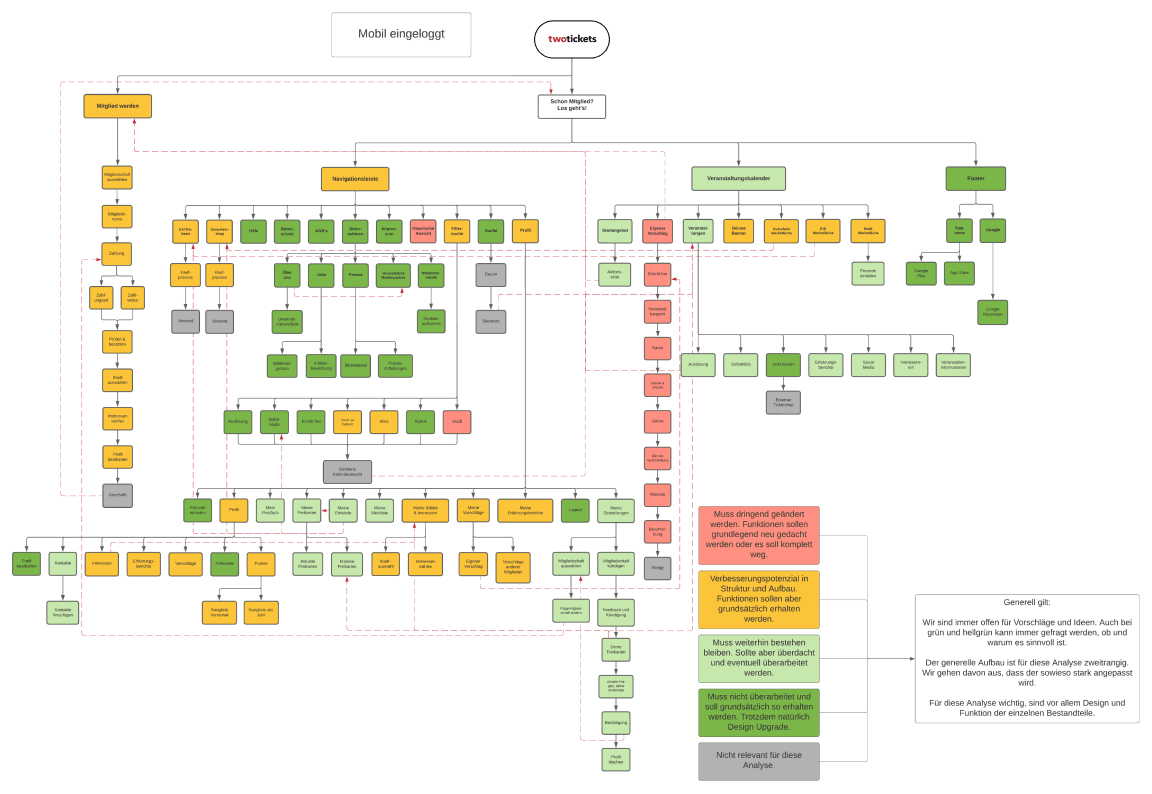
Information Architecture

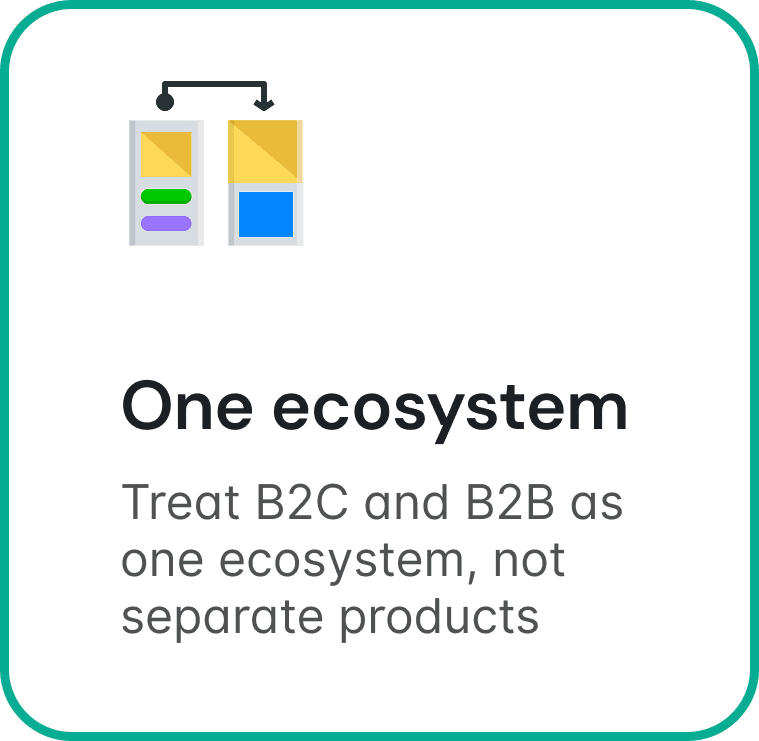
One of the biggest challenges was untangling years of layered logic.
Before: long, linear flows, mixed states and user actions, critical decisions hidden behind unclear names.

My Strategy:

  • Map every workflow as a state before designing UI.

  • Separate system rules from user actions.

  • Apply progressive disclosure: show options only when relevant.
Design System

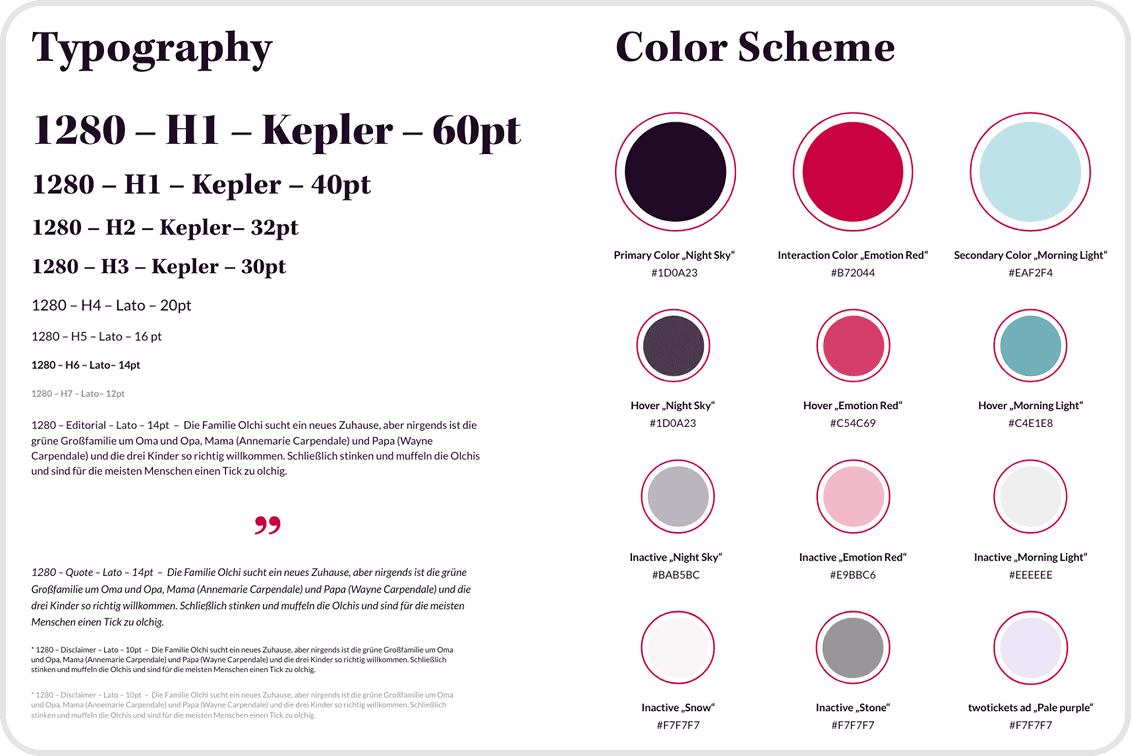
During the first couple of months I built a new design system from scratch:


  • Token-based foundation (color, spacing, typography)

  • Scalable component library.

  • Documented usage principles.

  • Separate page for iOS and Android related differences and conventions

  • Made sure that it aligns with the brand identity and resonates with the target audience represented by the personas.
Execution

Execution

Execution

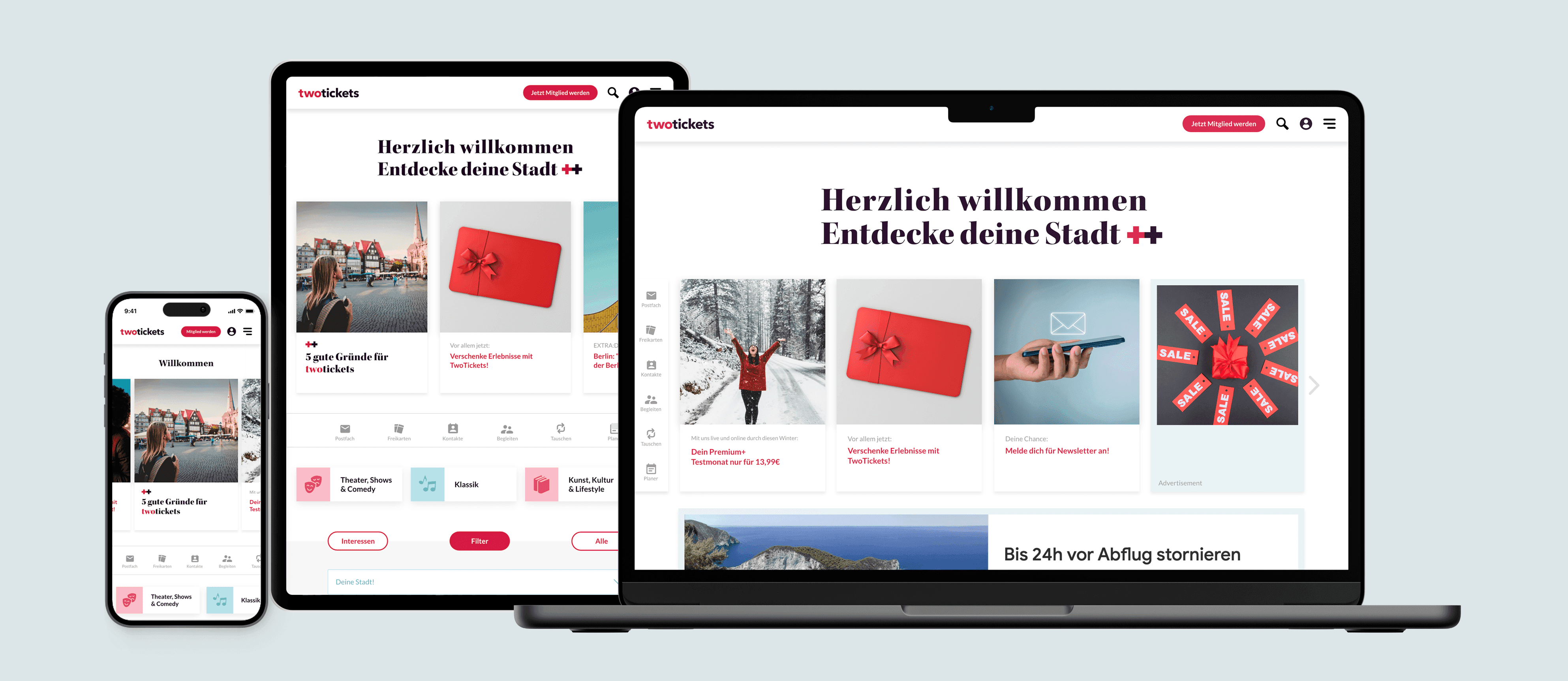
New Card Navigation

One of the main challenges was the positioning of events on the center page. The goal was to enable users to access a larger number of events in a shorter period of time and make it easier for the target audience to navigate between events. Creating a new intuitive card navigation on twotickets' main page involved a thoughtful process focused on improving user experience and increasing event discoverability.
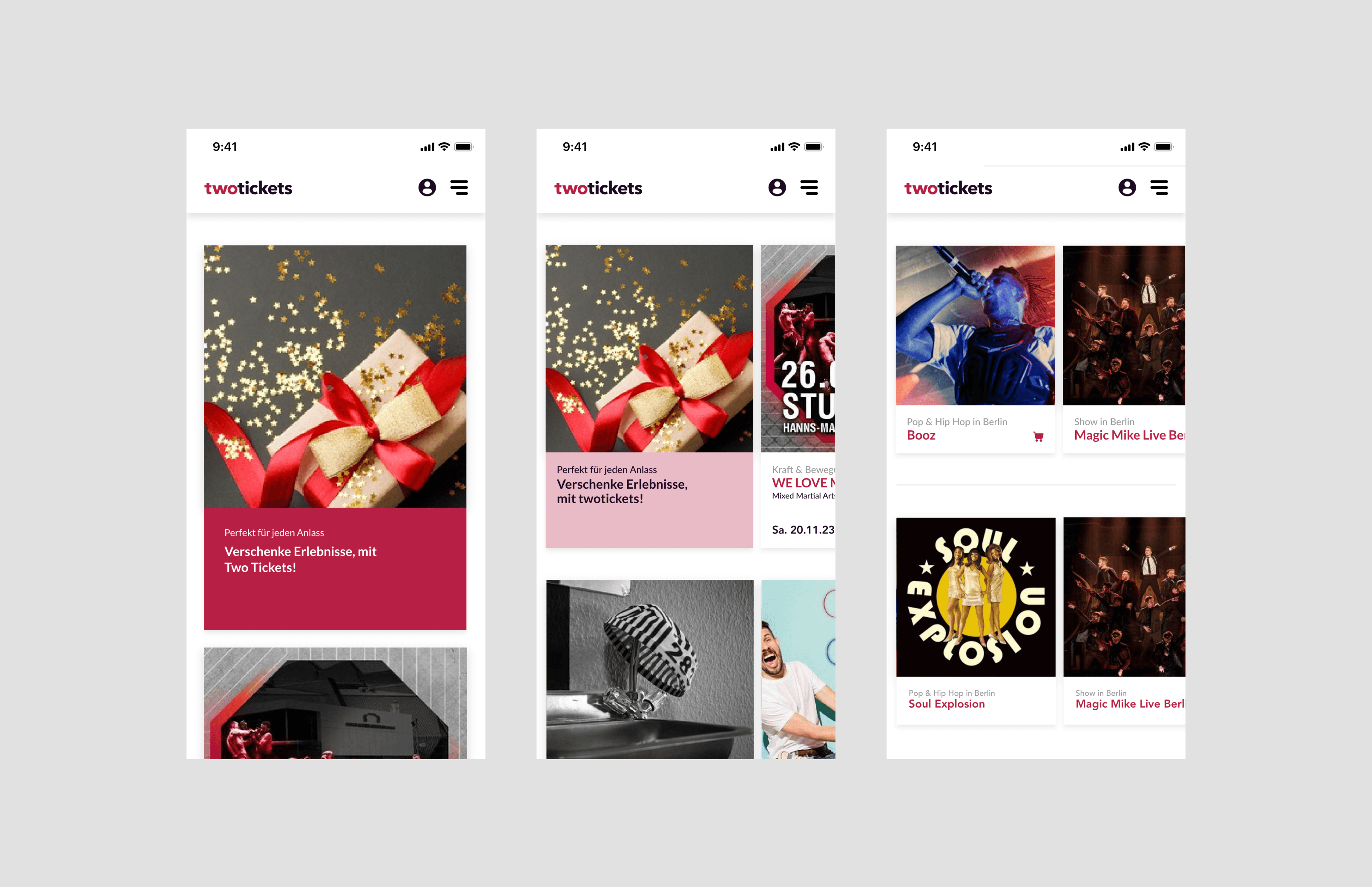
The final decision to use carousels for medium-sized event cards aimed to strike a balance between presenting a variety of events and maintaining a user-friendly interface for the target audience aged 35 and above.
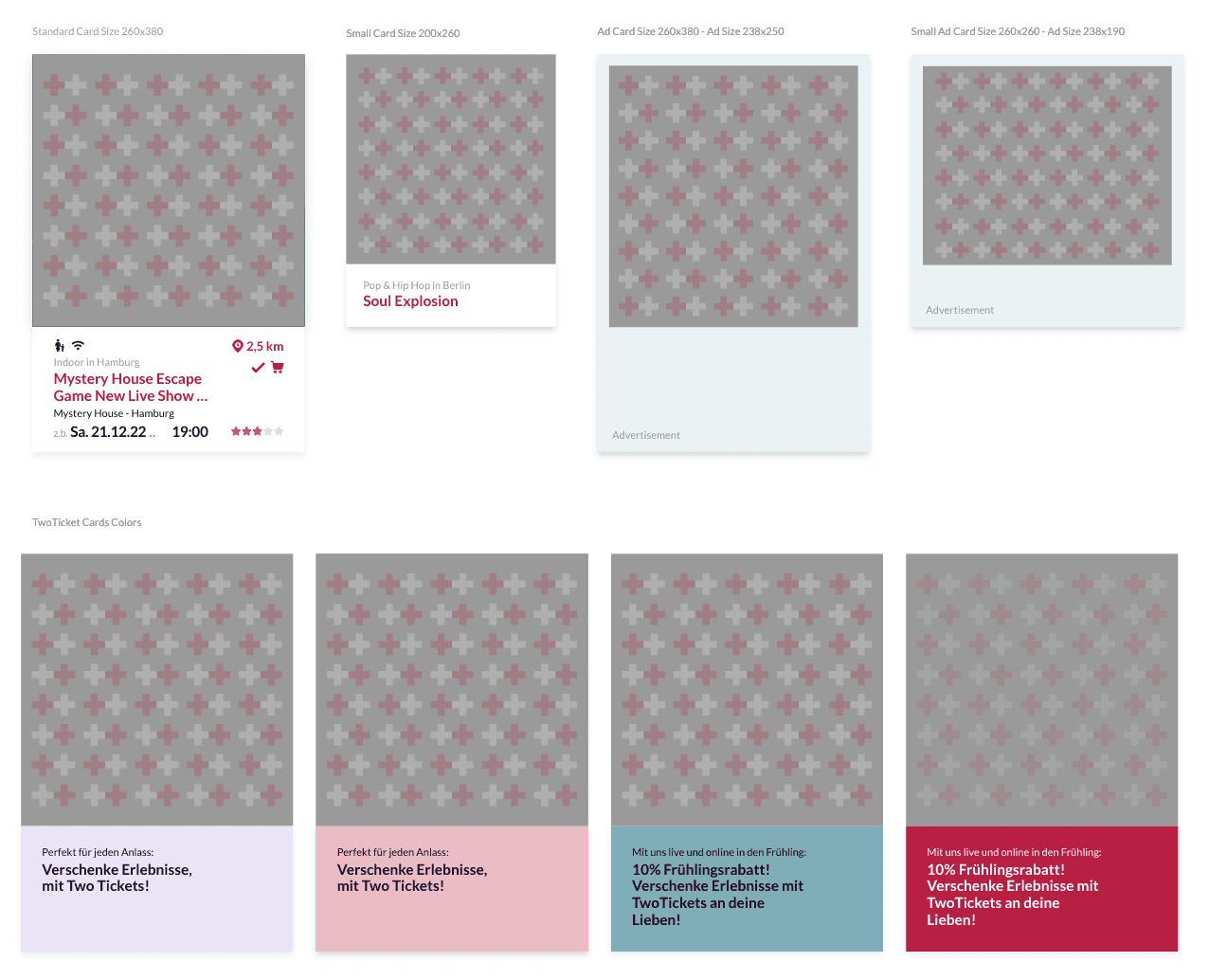
Different card states.

Different card states.

Different card states.

Post-Launch Success and Business Impact

  • 30,000+ active users acquired.

  • 3x increase in demand and adoption of Begleiten, Verschenken, Zurückgeben

  • 40% reduction in event setup time for organizers.

  • 3x increase in published events on twotickets pro within the first 6 months after release.

Contact for collab

© 2025 Iskander Alibayev

© 2025 Iskander Alibayev

© 2025 Iskander Alibayev

© 2025 Iskander Alibayev